Client documents
Invoices and receipts arrive through different channels.
Email→Download→Save
Received, sorted and filed automatically.
Over fifteen years in banking IT taught me to build automations that hold up, not ones that only look good in a demo. The same standard, now at the size of your business and built on the tools you already use.
Different businesses, very similar problems: copying data, chasing replies, repeating tasks and moving information from one place to another.
Gestorías, accountants, law firms and small admin teams.
Invoices and receipts arrive through different channels.
Someone has to remember to check what’s missing and chase it.
The same information ends up typed in several places.
Physiotherapy, beauty, health and other professional practices and teams.
Calls and messages to confirm one by one.
Details and documents arrive from several places.
Getting back in touch depends on someone remembering.
Language and dance schools, tutoring, training providers and education centres.
The same details pass through several tools.
Check, remind, record it again.
Writing different messages for each group.
Estate agents and professionals who manage properties and clients.
They come in from different portals and inboxes.
Remembering when to call or write.
Files that are hard to find months later.
Workshops, installers, repair services and teams that work out of the office.
Prepare, send and chase a reply.
Paper and WhatsApp that someone has to gather later.
Telling the customer about every status change by hand.
Shops and distributors taking orders through several channels.
Every channel means copying information.
Checking overdue invoices and chasing by hand.
The same Excel gets rebuilt every month.
Agencies, shops, associations, studios and independent professionals.
Information moves from one system to another.
If nobody remembers, the task doesn’t happen.
Documents and messages, over and over.
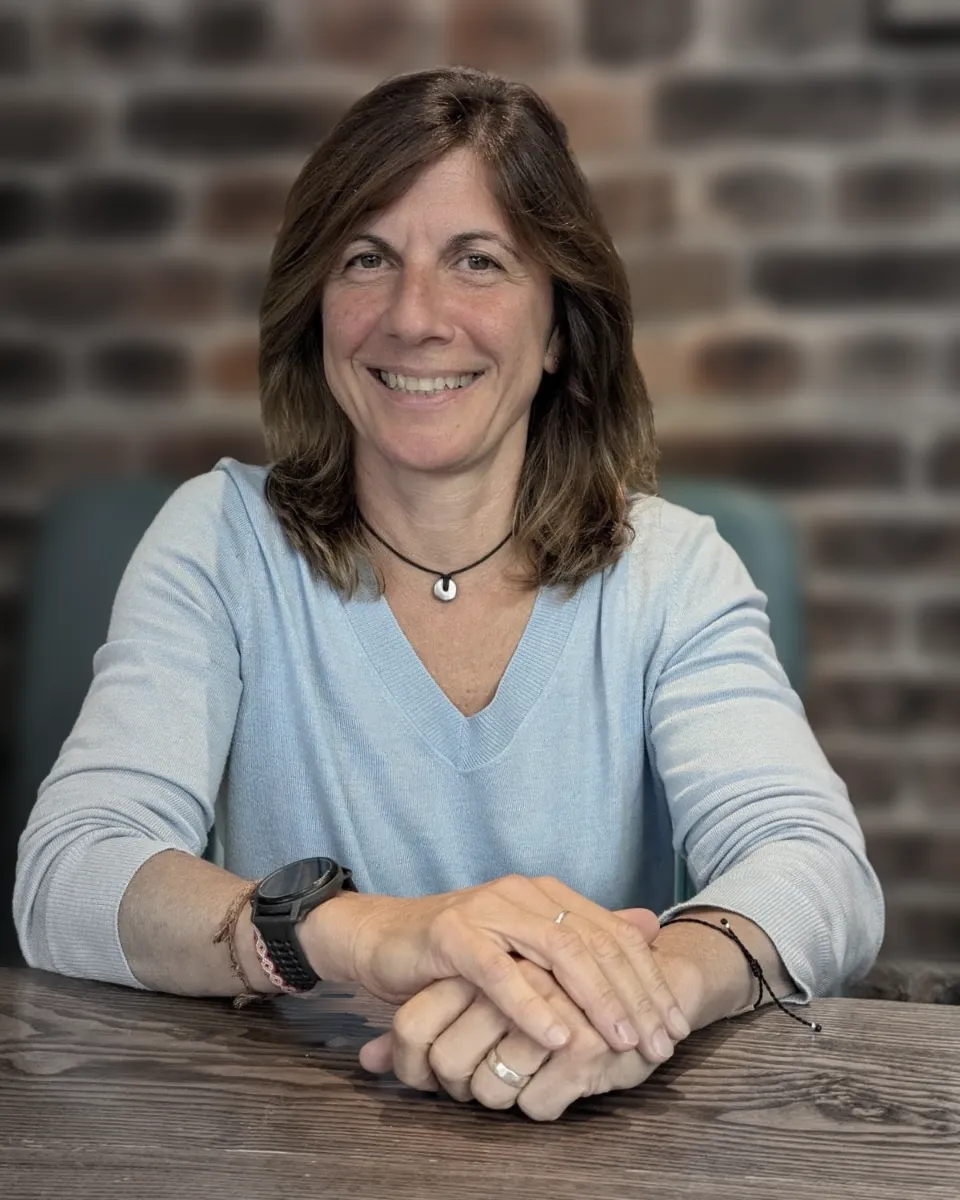
I spent a decade automating and streamlining the operational processes of a bank, across very different business areas: leading the projects, rolling them out and measuring afterwards whether we had really met the goal we set.
Then I moved into payments, cards and transfers, where a payment can’t fail or go through twice, and has to be traceable end to end months later. From those years I kept one habit: never taking anything as done until I’ve checked it. That’s what I now bring to much smaller processes.
Not the technology itself, but the difference it makes to a team’s day: less friction, less stress, less time lost on tasks that add nothing for the business or the customer.
For years, automating like this was only within reach of large corporations with the budget and an IT department. That has changed: today the same ideas fit a small business. So I help companies apply the same efficiency thinking at their own size, without the cost or the months of rollout of a large company.
I get to know the business, map the process and find where it’s inefficient.
I propose a clear plan, with impact, priority and estimated savings.
I automate, test and leave the system running, with everything you need so you don’t depend on me.
We compare before and after: time saved, fewer errors, steps removed or response times.
Move the sliders for a simple estimate of the yearly cost of a manual process.
We’ll look at it together and see whether it’s worth simplifying, automating or simply doing differently. Write to me too if you need something else: choosing the right tool, sorting out what you already have, or just a second opinion.
I work with small businesses and freelancers in Spain and Latin America.